At times I take a dive into coming-of-age books because all of my thriller-crime-mysteries have a coming-of-age thread running within them. Those threads are based on my fictional adopted family of seven brothers, who deal with past trauma. Their journeys are underscore the thriller-crime-mystery aspects in my books.
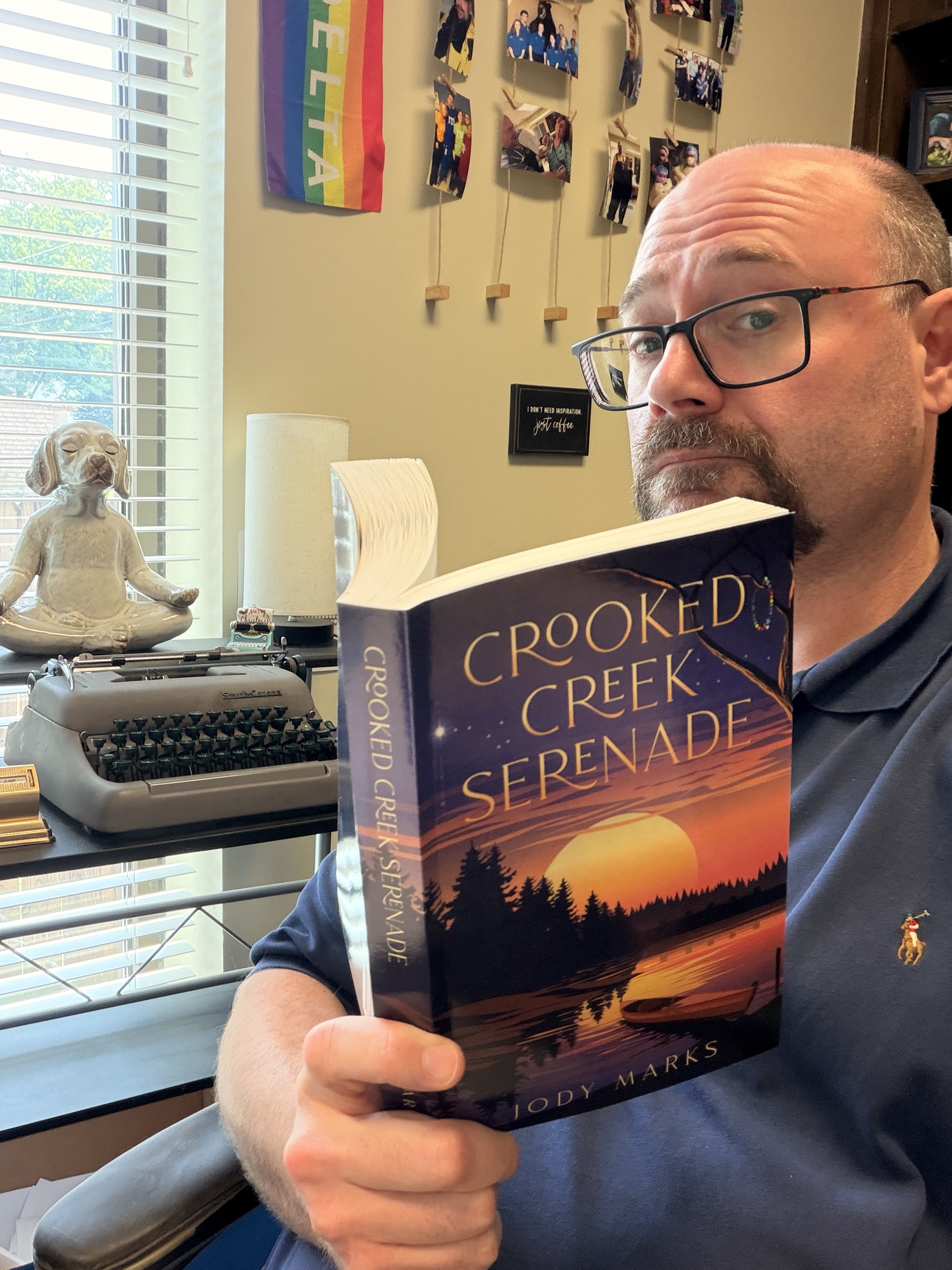
One of my most recent dives was a book written by Jody Marks who wrote Crooked Creek Serenade, about three boys at a summer Boy Scout Camp. No real mystery involved, but the story is rich in drama, emotional intensity and awakening, handled deftly, sensitively, and with compassion. It is a tremendous read and I have to tell you, the characters, the narrative, and the story has stayed with me long after I finished it. It was an intense story, so compelling that I reached out to Marks and asked if I might interview him.
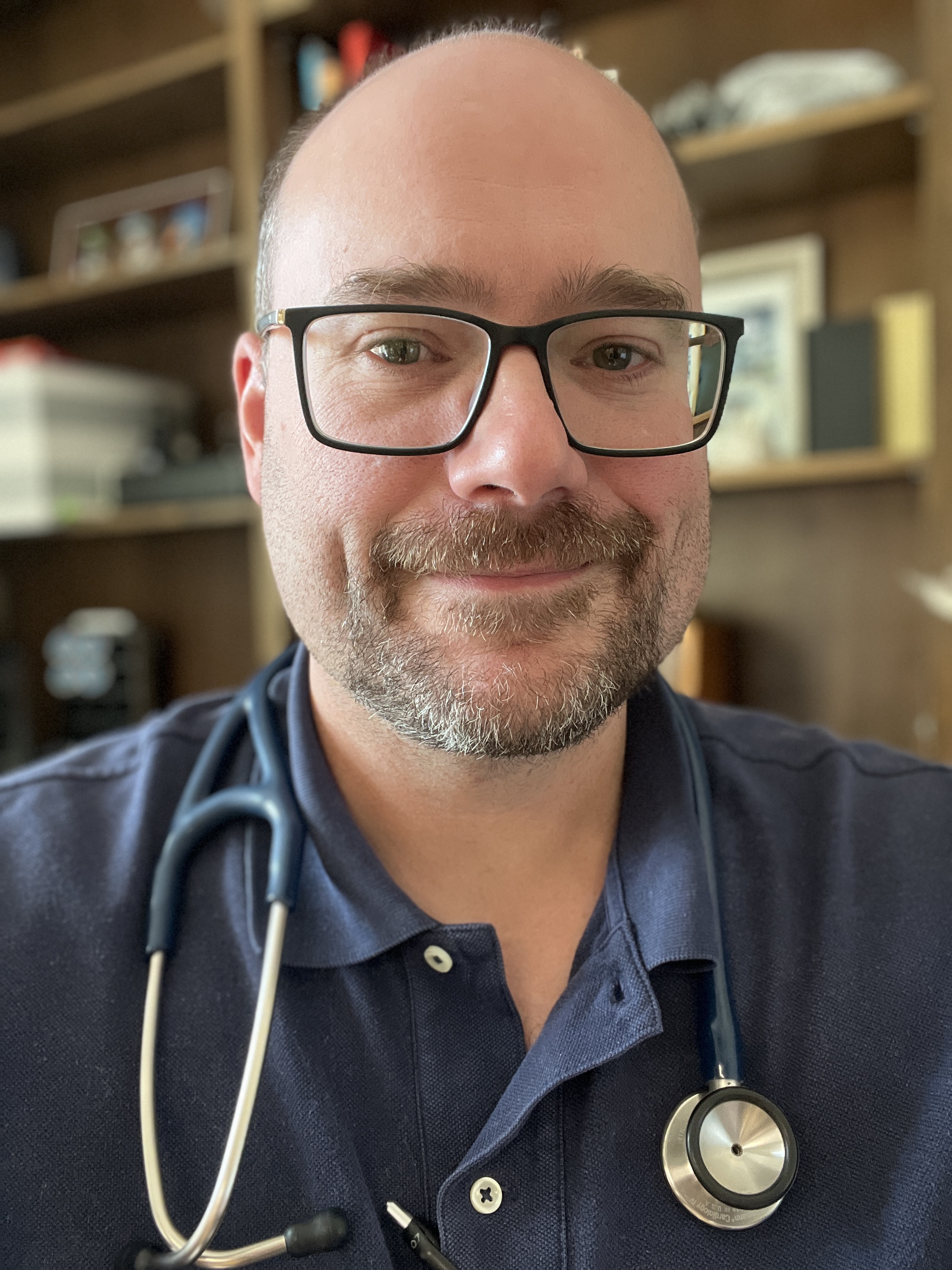
Jody Marks is a nurse practitioner, currently working in family medicine. Crooked Creek Serenade (CCS) is his first self-published novel. His husband, Andrew, and he live in Huntsville, Alabama, along with their Silky Terrier, Bentley.
What was it that made you decide you had a story to tell and to become an author?
I have always enjoyed writing. For as long as I can remember, it has been much easier for me to express myself in writing than verbally. Except for a few articles published in trade journals years ago, it has always been a casual hobby for personal enjoyment. The story that ultimately became CCS is fictional, however, almost everything except the main storyline is taken directly from my experience, so it’s an intensely personal and emotional story for me. As someone who grew up gay without realizing what that even meant, I know there are many other people, especially my age and older, who went through similar experiences and will identify with my story.
As an author or writer, what sets you apart from others?
My writing style is not flowery or overly intellectual. I’m never going to spend three pages describing a tree (not that there’s anything wrong with that). I think I’m good at conveying emotions through the written word and creating dialogue that feels realistic.
How do ideas for your stories present themselves? How do you know what story lines to follow and which to ignore?
The stories I write are mostly based on my real-life experiences. I am not classically trained, as I did not study writing or literature beyond the classes everyone takes in high school and college. Because of that, I’m always reluctant to write about anything I don’t fully understand. I hope that the authenticity will come through to the reader and make up for any lack of technique that “real” writers may typically employ. How a story makes me feel is always the deciding factor in whether to pursue an idea. If it feels forced or doesn’t move me in a meaningful way, I’m not interested.
What genre do you write, and why?
CCS is a coming-of-age story. I have always been fascinated by human development, particularly during the adolescent years, and I have done a lot of ruminating about my childhood. Other than my professional field, it’s probably the only subject I have enough to talk about to fill up an entire book!
Besides writing and telling a good story, do you have any other talents?
I’m a skilled listener, if that counts as a talent. In my day job, it often feels like a superpower. I’d like to think I’m a decent singer. I dabble with the piano, though I certainly don’t feel very talented when I’m staring at all those black and white keys. Daunting!
If you were to name one or two books that you deem unforgettable and that had a major impact on you, what would they be, and why?
Rick Atkinson’s Liberation Trilogy unlocked an interest in and appreciation for military history I never realized I possessed. My father is what I call a military groupie. He was unable to serve because of medical reasons, but he has been enamored with the military for his entire life. He can tell you everything there is to know about every battle that has ever been fought. I spent a significant portion of my young life traipsing around Civil War battlefields and never cared a bit about any of it. History always seemed boring and dry to me well into my adulthood. I never realized how exciting it can be until my mother encouraged me to give Atkinson a try.
What authors do you read regularly? Why?
I love everything by Dave Eggers. His writing is quirky and funny, but deeply authentic and human. He always gets at something unexpected from a perspective I would never have considered.
I also enjoy Kurt Vonnegut. I love how real and raw his writing feels, and his dark, cynical humor matches my inner voice very well.
I gravitate toward quirky nonfiction, and I’ve found that real spy stories are some of my favorites. Ben Macintyre’s books never fail to thrill and amaze me.
If you were to have dinner with 5 individuals, living or dead, who would they be, and why?
- Ken Block, lead singer of the band Sister Hazel (not the recently deceased racecar driver). I’ve been a fan for as long as the band has been together, which is going on 30 years now. Ken has written so many of the songs that have resonated with me during every phase of my life. He’s a remarkable human outside of the music, and I would love a chance to converse with him one-on-one.
- My grandfather. He died when I was an infant, so I never knew him, but I’ve spent my life hearing the most wonderful stories about him. I have a feeling we would have gotten along well.
- William Howard Taft. Doris Kearns Goodwin’s description of him in The Bully Pulpit was so lovely. All I knew about him prior to reading her book was the tale of him getting stuck in the White House bathtub, but apparently there was a lot more to the man than his girth. I have the sweetest image of him in my mind, surrounded by admirers and dancing capably in the Philippines, where he was evidently a beloved Governor-General.
- Harvey Milk, such a remarkable figure in the gay rights movement. I would never have had the courage to stand up and fight so hard for what was right during a time when it was so dangerous to do so. Maybe some of his hutzpah would rub off on me.
- Sandy Koufax. I’m not much of a baseball fan. I only know one thing about him, which is an anecdote I read about him receiving the Cy Young award or some other major accolade and disappearing from the big ceremony to go have a quiet dinner with a friend. That’s totally my vibe and I bet we would get along famously.
What is your writing routine? When you write, do you plan or outline ahead, or are you a “pantser”?
Pantser all the way. I wasn’t even planning on writing a novel when I started CCS. It literally just happened. There was no plan. I’m working on the sequel now, and the need for continuity with the first story feels oppressive. There’s an extensive outline, but only out of necessity.
Describe where you write and what an observer might find there.
I write whenever and wherever I can. Often this means sitting in the passenger seat of my car in the parking lot of the next place I have to be in a few minutes. Ideally, though, it’s my home office where I can be surrounded by high fidelity music and important mementos from my life and career. The walls are adorned with Sister Hazel memorabilia, Boy Scout insignia, EMS pictures, and little pieces of art I have brought back from my travels around the country.
When writing, how much do you read? Do you read in or out of your genre?
When I’m working on a project, it takes over my entire brain. I can’t focus on anything else. I end up spending every spare minute writing, so even if I could pry my mind away, there’s no way I would have time to focus on someone else’s story. I have read the standard coming-of-age books that everyone else has, but it’s not typically the genre I seek for pleasure reading.
Is there something you set out to do, but somehow, it didn’t work out for you? (In writing, or something else you felt was important to you at the time?)
I thought I was going to be a doctor. I got into medical school and made it about halfway through the third year before my mental health collapsed and I couldn’t continue. Walking away from the path I had been on for my entire life was terrifying, but in a way, it was also the first time I had the courage to put my own needs ahead of what I thought I had to do in order to make everyone else happy with me. I never left the medical field, though. Funnily enough, the doctor I work for now was my roommate when we were both in medical school. I ended up in the same place he did, but my path to get there was a lot more circuitous than his.
What tips would you give to new or even experienced writers?
As a new writer myself, I’m not sure I’m qualified to give writing advice. For whatever it’s worth, though, I would encourage aspiring writers to follow their hearts and write what they feel without worrying too much about how it will be received.
How did you “teach” yourself to write, or did it just come naturally? What lessons would you pass on to others?
It does come naturally to me. I’m not trying to make a living as a writer, so I’m afraid that if I forced myself to formally study the craft, it might ruin the enjoyment I get from writing when it feels effortless. I think reading a lot is probably the best way, outside of formal writing education, to absorb lessons about style and technique.
How do you handle negative critiques?
I don’t do well with criticism in general. For CCS, I was lucky enough to find a beta reader/editor I clicked with and respected enough to accept criticism from without feeling sad or offended. I haven’t gotten any harsh or negative reviews of the book yet. I keep waiting to see that first one-star and wonder how I will respond. I would like to think I will be able to simply laugh it off or console myself knowing that no one’s writing is for everyone. Realistically, though, it will probably destroy me for a few days.
Is there a type of writing/genre that you find difficult to write? Why?
I don’t think I’m capable of inventing entire fantasy worlds. Everything I write is based on personal experience and grounded in reality. I have an imagination, but evidently, it’s not robust enough for me to trust myself to step too far out onto a limb with my writing.
How important are the elements of character, setting, and atmosphere to a story, and why?
If a story is good enough, I don’t think it needs a lot of fluff to be effective. It’s like singing a capella. If the song and singer are strong enough, it doesn’t matter if you strip away everything else. That said, I would argue that elements of character, setting, and atmosphere are not necessarily fluff. You can get a message across by drawing stick figures, but art is about making people feel something.
Do you see yourself in any of the characters you create? How/Why?
Every main character is based on a part of myself. Again, I rely on authenticity, and I don’t trust myself enough to invent characters who are too far away from my own lived experiences.
Is there an unforgettable or memorable character that will not leave your head, either of your own creation or from a book you’ve read?
Ignatius J. Reilly from A Confederacy of Dunces. I wouldn’t say I identify with him or aspire to be like him, but something about that man is so brazen and unique. He and his valve will always live rent-free in my head.
Tell us about your most recent book. How did you come up with the concept? How did you come up with the title?
Crooked Creek Serenade is a story of gay boys figuring themselves out during a week at summer camp. I came up with the concept by living through it and ruminating on it for approximately forty years before it almost spontaneously poured out of me and onto the page. The story is set at Camp Crooked Creek, a real summer camp I attended as a teen. “Serenade” comes from a line spoken by one of the characters in the book, which comes from a line I heard in a documentary about wolves: “Serenaded by new voices.” It’s a beautiful little phrase that always comes back to me when I hear young people in almost any context.
From your book, who is your favorite character? Who is your least favorite character? Why?
I can’t possibly pick a favorite from the three main characters, who are Matthew, Andrew (aka Drew One), and Andrew (aka Drew Two). I love these boys with all my heart. They always have been and always will be part of me. They’re all noble, compassionate, curious, empathetic boys that anyone would be lucky to call friends. My least favorite character is Brad, the older brother of one of the Drews. To avoid spoilers, I’ll say he has inflicted irreversible damage on his little brother in the most heinous way imaginable. His actions have the most dire consequences on everyone in the story, and I’ll never forgive him for it.
Jody Marks Social Media:
Author/media contact information
Email: marks.jody@gmail.com
Instagram & TikTok: @jodymarkswrites
Link to CCS on Amazon
and B & N
https://a.co/d/0htBzUFThttps://www.barnesandnoble.com/w/crooked-creek-serenade-jody-marks/1149067203?ean=9798233304477
I hope you enjoyed this interview as much as I did, and I hope you take the time to read this magnificent book. Like I said, it will stay with you long after you finish the final page.
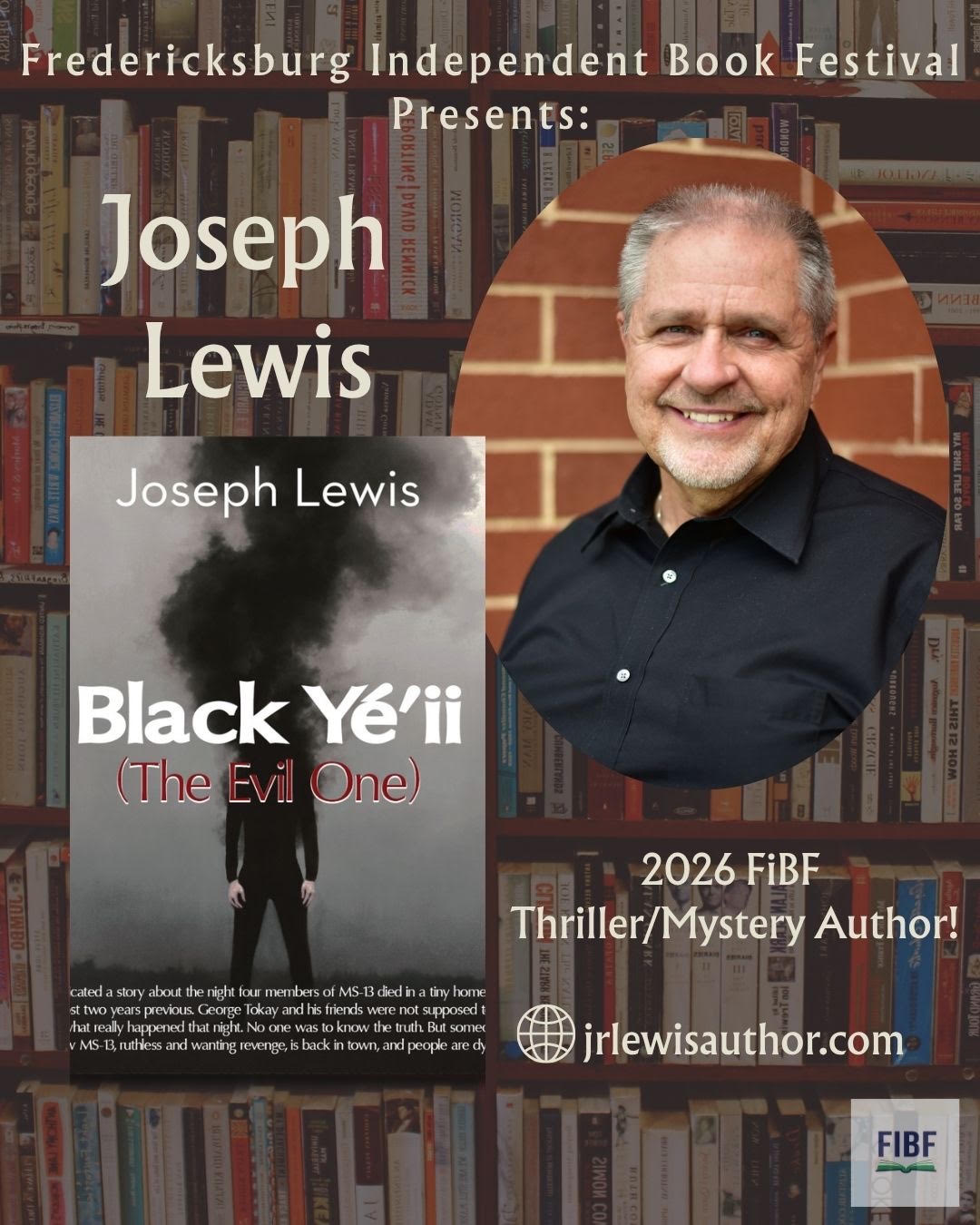
If you are in the Fredericksburg, Virginia area on Saturday, Oct. 24th, stop in at the Fredericksburg Independent Book Festival from 10:00 AM to 4:00 PM in downtown Fredericksburg at Riverfront Park on Sophia Street. Over 90 authors covering all genres will be present. I will have all ten of my books available for sale and signing, and I would love to meet you.
I welcome your thoughts and questions, so please feel free to use the form at the bottom of this page. As always, thank you for following along on my writing journey. Until next time …


