Before I was ever a writer, I was a reader. And a voracious reader at that. To some extent, I lost the craving I once had, but I still read. When I was a kid, my parents satisfied my need by gifting me books for my early birthdays, holidays, and sometimes “just because,” as my dad or mom would say.
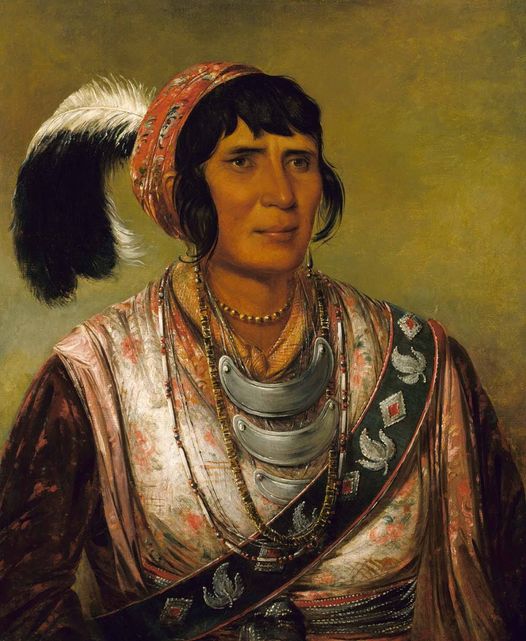
One book that fascinated me was the book Seminole I discovered as I perused the library, waiting for my dad to pick me up from school after his workday finished. Our agreement was that I would wait at the library across the street from Holy Angels Elementary School, where each of my brothers and sisters attended. That fantastic gray building with the stone steps and heavy wooden doors and stacks and shelves of books. I never entered the elementary section, but tiptoed into the middle school and adult sections, until the librarian chased me away. Eventually, they gave up and let me pursue whatever book fascinated me. Seminole was the first of many that captured my attention. It’s probably out of print by now, and I don’t know the author or the publisher or I would pass it on to you. But I am forever grateful, since that book gave me my first love of indigenous culture, mysticism, and spirituality.
That early experience provided me with my love of word and wording, lines of impact and meaning. Words that paint a picture and create a world I can escape to. Words and lines that touch a heart and grip the soul.
The novel and movie Love Story gave us the famous line, “Love means never having to say you’re sorry.” At its first reading, it appears to be one of love. As I grew up, I felt that line is a lie. If you love someone, you are forever letting that person know you are sorry for failings, big and small. More importantly, if you are loved, that someone is accepting and willing to let you try again. We might differ on this point, and that is okay. Literature has many reaches and merely opens to door for thought and discussion. My point is that just because a line is famous and oft quoted doesn’t mean it is true for all of us.
Antoine de Saint-Exupéry in his book The Little Prince (originally written in French and translated to English and other languages) gave us the famous line “It is only with the heart that one can see rightly; what is essential is invisible to the eye.” Man, does that line shoot an arrow into one’s heart and soul! How can anyone disagree with it, though there might be some willing to try, and again, rightly so. Literature is not a ‘one size fit all’ proposition.
Those who are familiar with my books know I begin each with a quote or two, sometimes three, that point the reader in the direction of the story I am about to tell. My readers often let me know how one or more of these quotes affected their vision and reception of my storytelling. That is precisely the purpose of these quotes.
Some quotes I considered, perhaps used, are:
“You’re supposed to be scared. That’s the deal. If you weren’t scared, it wouldn’t be worth doing.” – Bill Nighy
“When the worst that can happen has come and gone, and you’re still standing, remember that you won.” – Joan Bauer
“Sometimes people make the wrong choices to get to the right place.” – From the movie The Equalizer
“He didn’t come to ask for help. He came to ask for permission.” – From the movie The Equalizer
In his fantastic book A Persistent Echo, Brian Kaufman wrote, “Every true story is a sad one. That’s because if a story is true, it ends in death.” Oh, how I wish I had written that. It perfectly fits the book I am currently writing, The Disappeared. So much so, I will have one of my characters say or think to himself precisely that. Of course I will give credit to Brian, but damn, I wish that line was mine!
I am currently reading and reviewing the terrific book, Diverted, written by fellow Black Rose Writing author Cam Torrens. Cam has one of his characters think, “I keep thinking about how fast everything can go wrong. How fragile it all is.” As a parent who lost a son way too early in life, I’ve thought that over and over, but it wasn’t until I came face to face with it in Diverted, courtesy of my friend Cam Torrens, that it hit me. And like I feel about Brian Kaufman’s line, I wish it was mine.
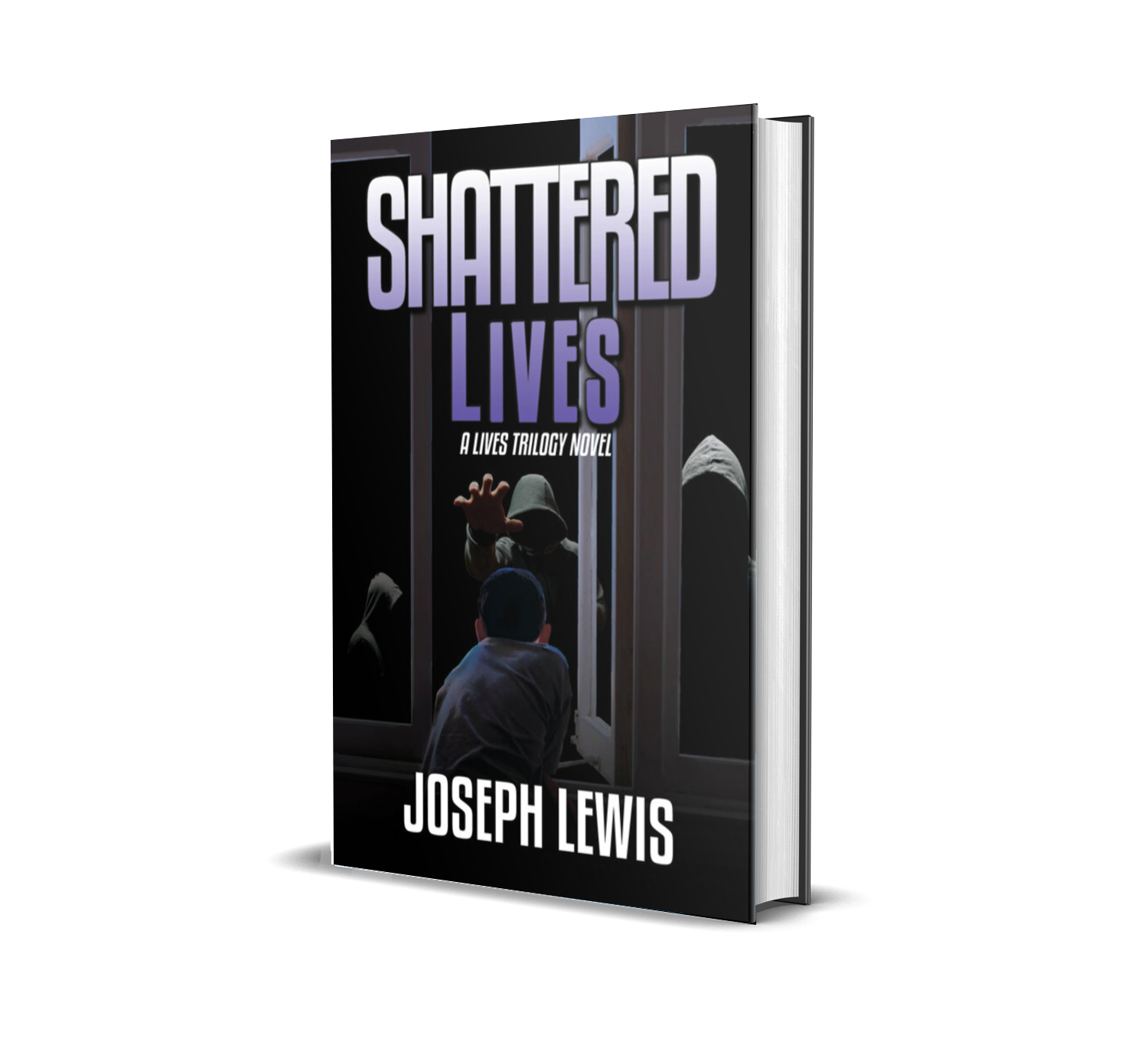
In my book, Shattered Lives, the Second Book of the Lives Trilogy, there is a passage I wrote about Johnny’s death. Johnny is a character who was trapped in the brothel in Chicago with Brett. Johnny was a leader, a protector, and a friend to Brett. I wrote:
Johnny died.
He died peacefully and soundlessly with what seemed like a sigh. He stopped breathing, and his heart stopped beating, and Johnny stopped being.
It is a picture of the death of a loved one some of us encountered in our lives, and it is impactful to Brett because Johnny’s death severed the part of Brett’s life in captivity. While Brett mourns Johnny, he doesn’t realize until later in the book how Johnny’s death freed both Johnny and Brett.
In my book Fan Mail, Brian and Vicky are sitting alone in the hospital chapel. Jeremy had a heart ‘event’ (he refuses to use the term heart attack), and Brian blames himself for that happening. It was Jeremy who drove Brian to school the morning the event happened. A part of the conversation between Brian and his adoptive mother went like this:
“What happened in the car when Dad took you to school?”
Brian shrugged, shook his head, and said, “He apologized for everything. I apologized. He talked some more, and I listened.”
Puzzled, Vicky asked, “You apologized? What for?”
He wanted to say was that sometimes apologizing for shit, even if it isn’t your shit, is a good way to go. Instead, he said, “It seemed like the thing to do.”
How many of us felt like Brian when uttering an apology to someone we love or value, even though the apology wasn’t warranted? “…sometimes apologizing for shit, even if it isn’t your shit, is a good way to go.” That statement is one of my favorite lines, and variations of it appeared in my books.

I also used these two lines when I promoted Betrayed: Integrity is protecting someone who betrayed you. Courage is keeping a promise even though it might mean death. This is something Brian feels and how he reacts, especially during the climax.
One of my favorite book openings is the opening of Betrayed. It goes like this:
It was still. No breeze. The air, dead, smelled of red dirt and decay. A hawk circled overhead, cawed once, and glared at him. At least Brian thought it did. He wondered vaguely if it was an omen, a message from the spirit world George often talked about. A warning, perhaps. Fitting if it was, Brian thought. If they survived, he would ask him.
Originally, I had it at the beginning of the climax at the end of the book, but I moved it thinking I needed to kick start the beginning of the book. This opening paragraph does this. It also sets the stage for the impending dread that permeates the feeling of the book as the reader turns its pages.
As a courtesy to you, here are the links for each of the books I mentioned in this post.
Love Story (Movie) https://tinyurl.com/5689hm73
The Little Prince (Book) https://tinyurl.com/35x6etks
A Persistent Echo (Book) https://tinyurl.com/33kkckwx
Diverted (Book) publication is upcoming
Fan Mail (Book) https://tinyurl.com/4exjk9hx
Betrayed (Book) https://tinyurl.com/38pshw37
I would love to know your thoughts on this post, so please use the comment section below. As always, thank you for following along on my writing journey. Until next time …

 jrlewis85's Blog