What is backstory in literature? Is it necessary, and if so, how much is too much? What is its purpose?
Since I began writing in earnest, I have come to believe backstory is more for the author than the reader. It’s the background of a character, his or her history, and what makes a character tick (sometimes literally, not just figuratively).
To make sure I understood backstory correctly, I Googled it. Here is what I found, in part:
What is a backstory in literature?
Backstory is a set of events that have occurred before the main story. These events can either be alluded to, described by one or more characters, or shown in flashback.
Backstory in literature is the history of characters or the story world occurring before the main narrative begins, essential for establishing motivation, depth, and context. It explains the “why” behind a character’s current actions, fears, and desires. Effective backstory is usually revealed slowly through dialogue, flashbacks, or subtle details rather than dumping, allowing readers to infer past events.
Author Cam Torrens in his Tyler Zahn series handles backstory so well that the reader doesn’t realize it’s happening until after finishing a passage. In particular, his book, Damaged, deals with Zahn’s backstory. In my view, Zahn’s backstory is the main idea of the book, but wrapped in an interesting mystery-thriller. And one thing it is not is boring. Damaged rocks, and I urge you to pick up a copy and see for yourself.
Best-selling author Gary Gerlacher in his AJ Docker and Banshee Thriller series and Joan Livingston in her Isabel Long Mysteries use backstory sparingly and only as needed. Like any well-written backstory, it is sprinkled in here and there, only to provide depth of character, setting, and situation.
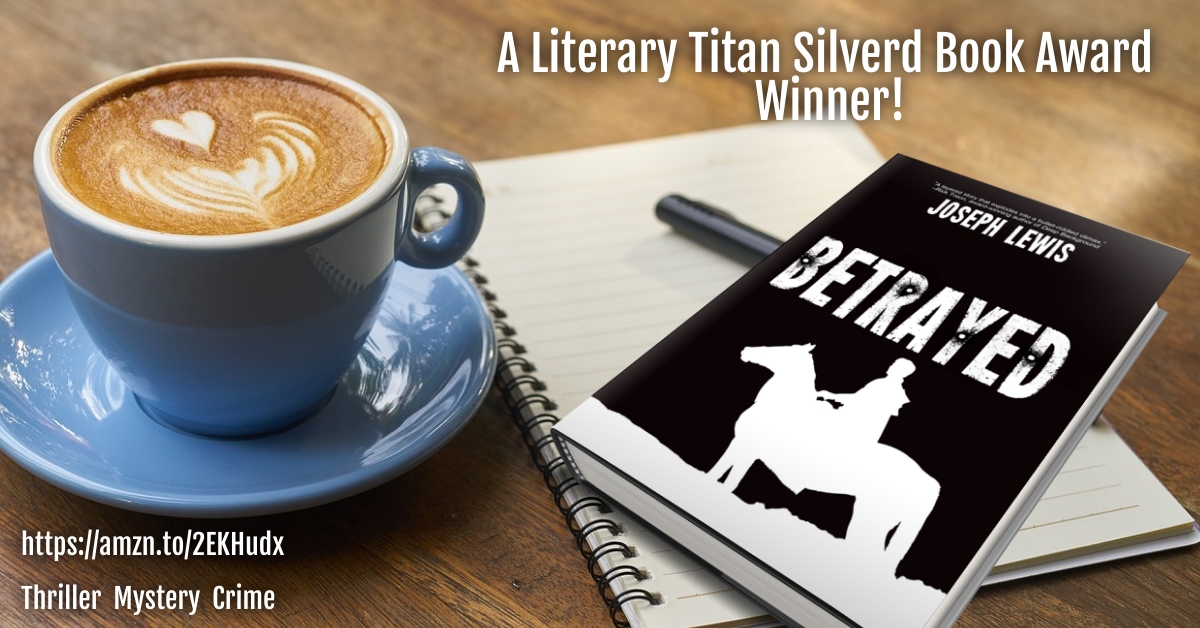
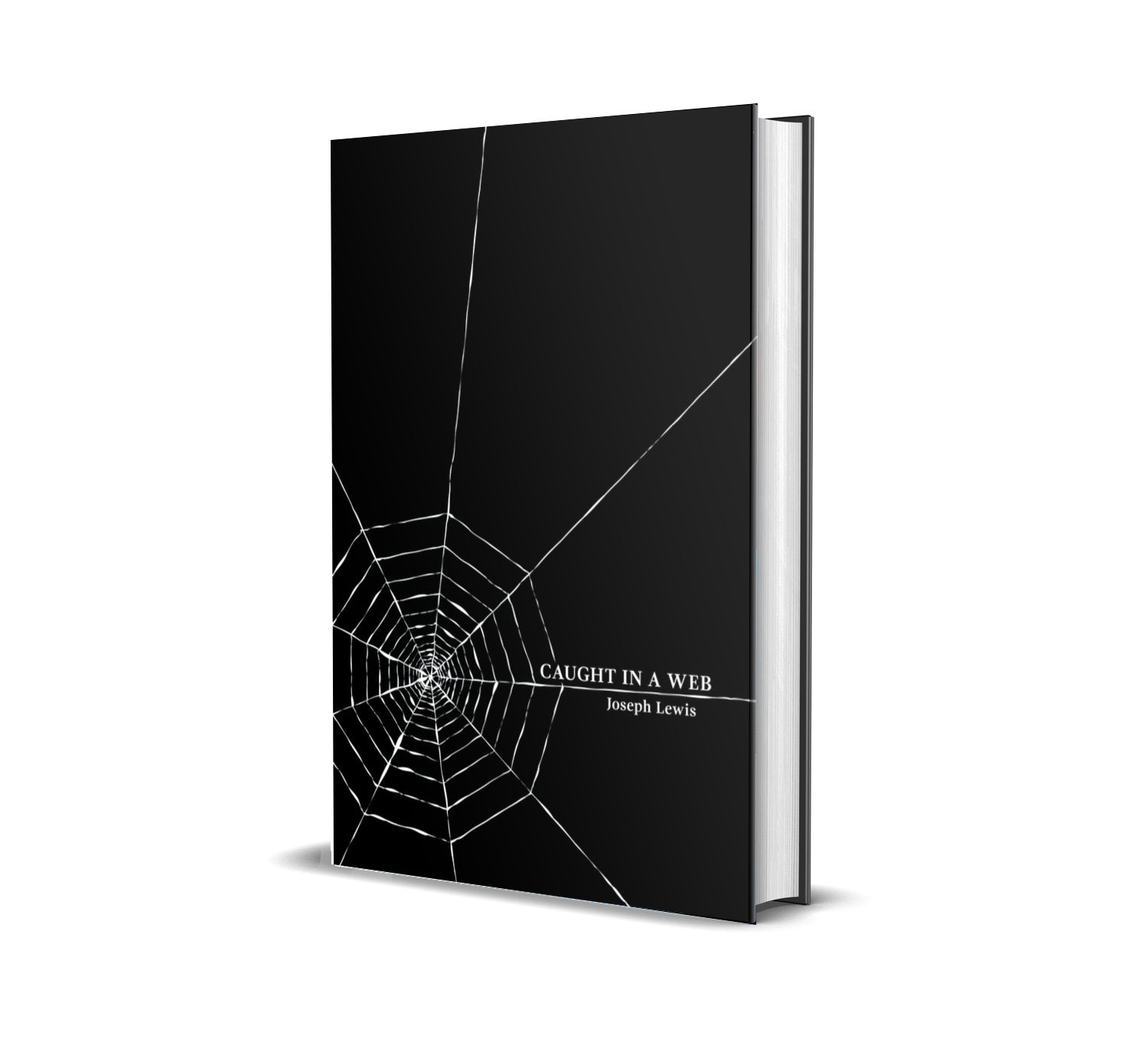
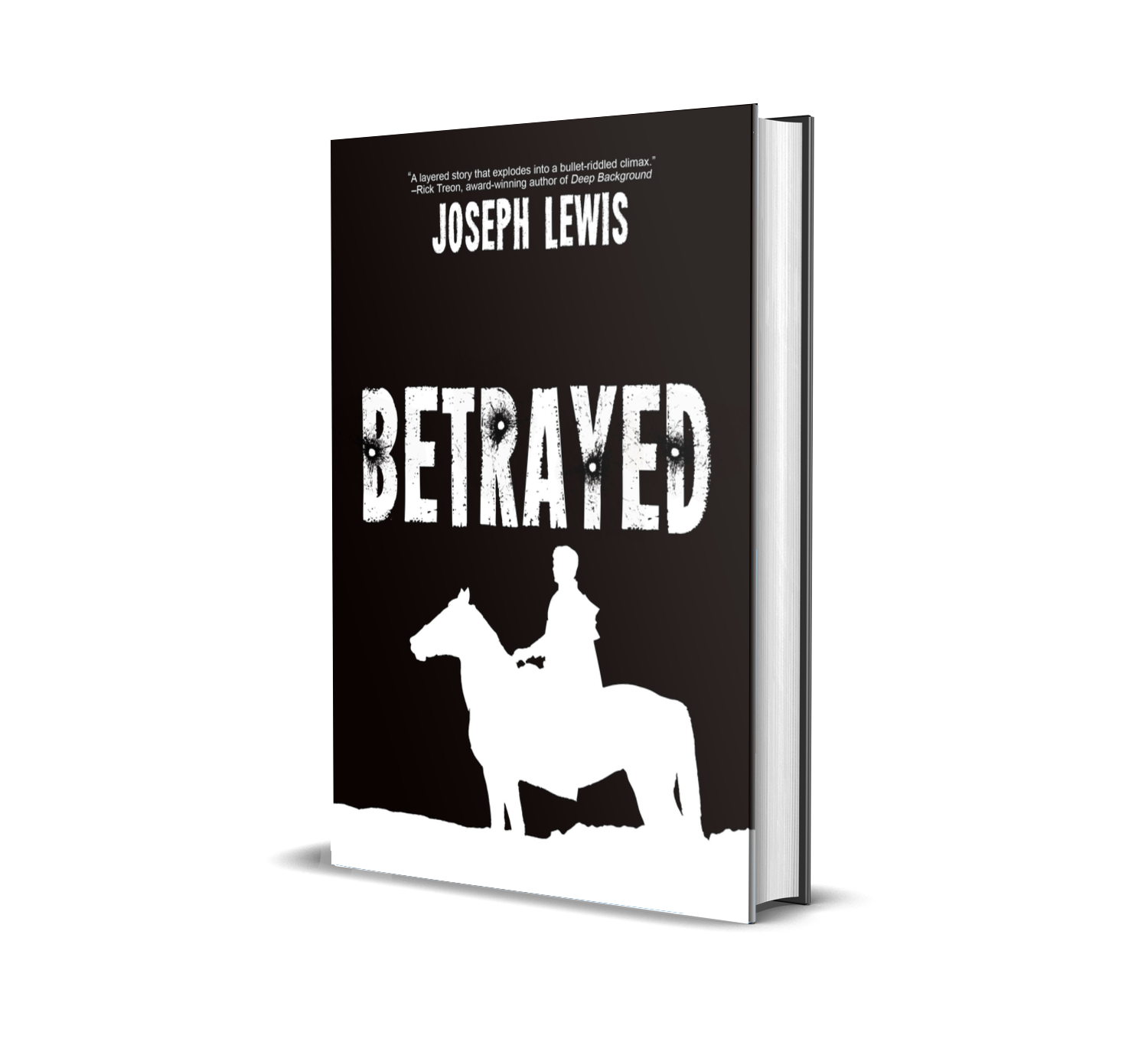
One of my characters, Brian, carries a boatload of baggage, born from his trip to Arizona in my book Betrayed, while more baggage was claimed in Caught in a Web and Fan Mail. Some of it is physical, some of it is witnessed by other characters, and all of it is understood and witnessed by the reader. For example, Brian’s scars around his right eye, the way his right hand twitches when he is tense, his nightmares. All of it is backstory, but germane to the entire story. I parse it out slowly and don’t “dump” it in whole, because I believe in showing, not telling.
Brett, one of my other characters, has a scar from a near fatal bullet wound. His backstory forces him to be overprotective of his younger brother, Bobby, and his mother, Vicky. The reader finds out he has no love for his father, Thomas, and neither do Bobby nor Vicky. Other than in my book, Stolen Lives, First Book of the Lives Trilogy, his backstory is told through action and dialog. Again, it isn’t dumped on the reader.
The closest I came to dumping backstory was in my book, Fan Mail. Spread over two or three chapters, six of my characters share their stories through dialog, both verbal and inner-speak. Honestly, it was one of the toughest parts of that book, or any book for that matter, I wrote, and like many of my readers, I wept as I wrote it.
Recently, I read and reviewed Return of the Spider by James Patterson, and the entire book was the backstory of Alex Cross and John Sampson, and Cross’ most dangerous and cunning villain. But it wasn’t a dump of backstory. It was the story from beginning to end, and as a reader and writer, it was a fascinating read, a great story. The story was engrossing, a literal page-turner.
In Spider, I learned that John Sampson was a detective before Alex Cross, and other detectives harbored ill will towards Cross because they came up the hard way, jumping through hoops and overcoming obstacles, whereas Cross was selected for the detective unit because of his Ph.D. I didn’t know any of that before reading this book.
More importantly, Spider helped me realize how important backstory is to both the reader and the writer. It isn’t boring detail. Backstory is part and parcel of the story. Not dumped, but written as dialog, as action, as setting, and as a reaction of other characters.
I hope you check out the books by Cam Torrens, Gary Gerlacher, and Joan Livingston. I guarantee you will enjoy them. Check out David Rabin and his book, In Danger of Judgment. A terrific thriller you can sink your teeth into. The way he works backstory into his book is masterful. And if you are a reader of James Patterson, I know you will enjoy Return of the Spider.
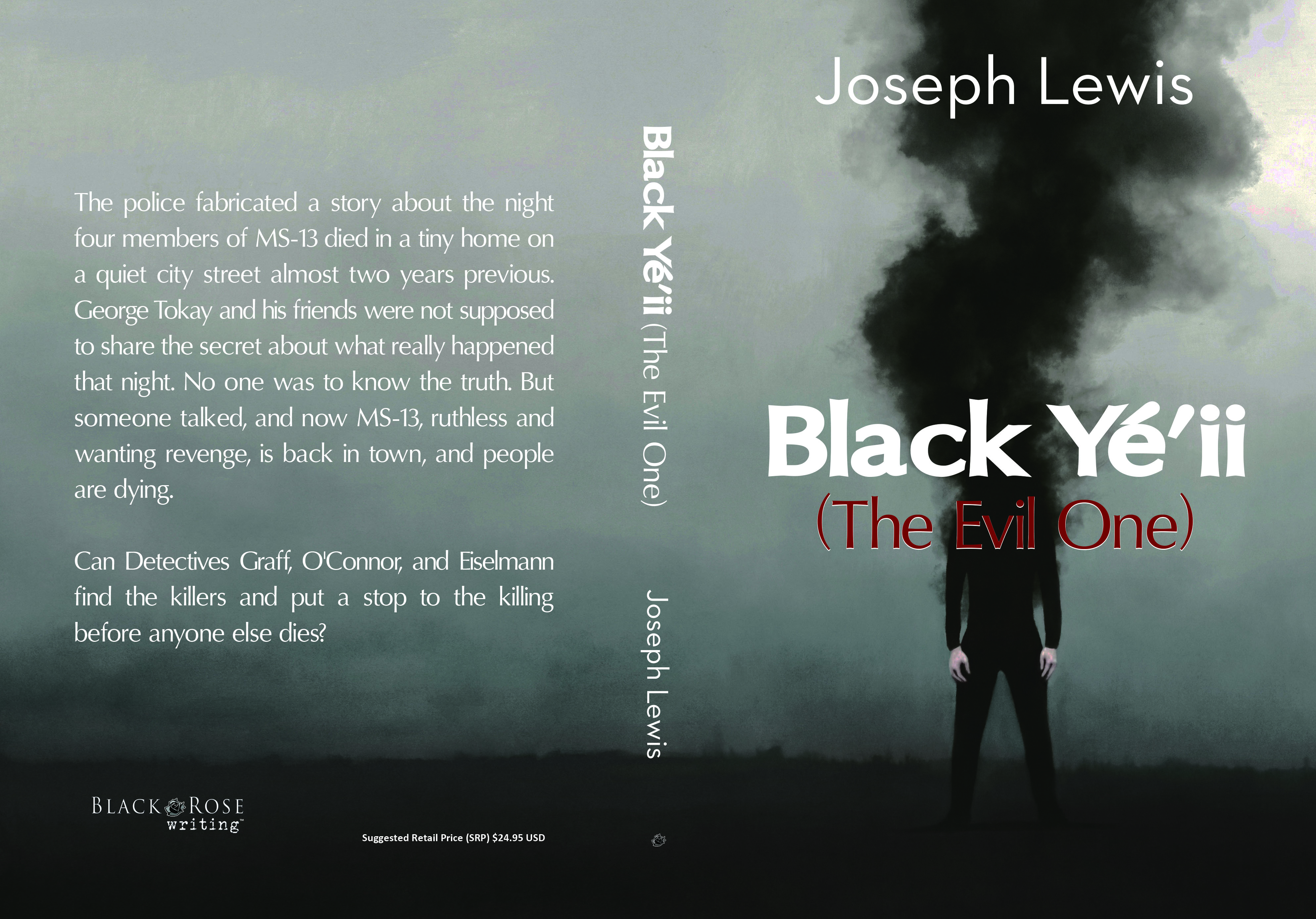
You can check out all my books, including the ones I mentioned above, by going to my website at https://www.jrlewisauthor.com On the website, you will find book descriptions and a purchase button. All of my books come in Audible, Kindle, and paperback formats.

I would like to know your thoughts, so please use the comment section below. I thank you for following along on my writing journey. Until next time …

 jrlewis85's Blog